
Building Job Reports: Digital Production Reporting for Smarter Manufacturing
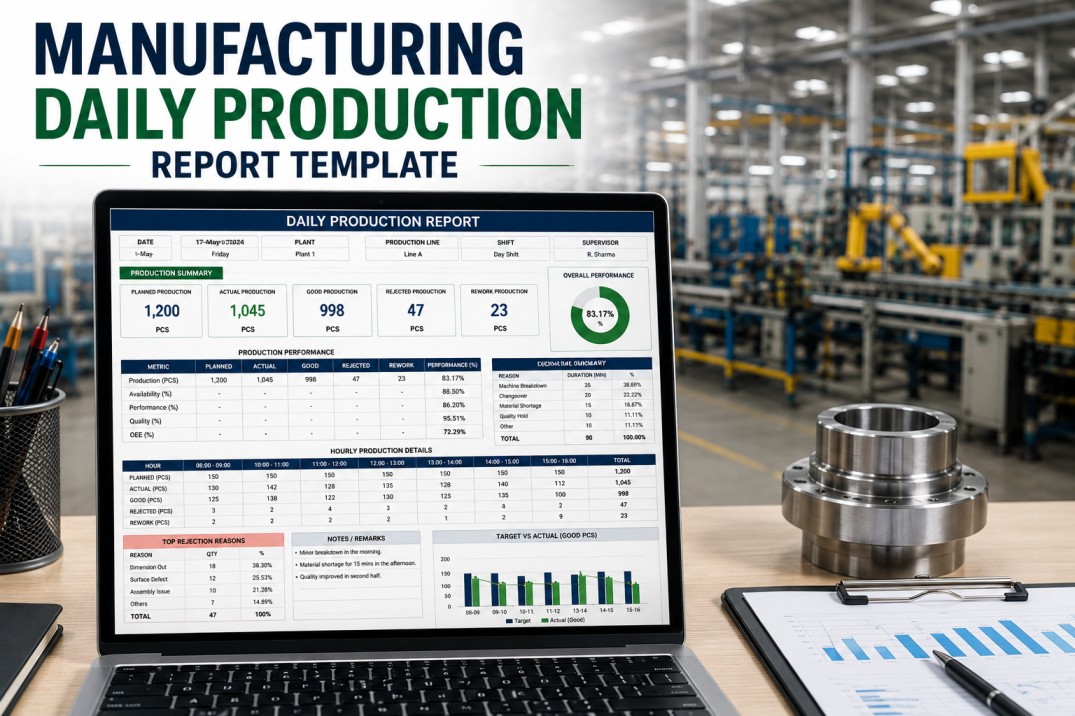
What Are Digital Production Job Reports?
Digital production job reports are structured electronic records used to capture, monitor, and analyze manufacturing activities throughout the production process.
Instead of depending on paper job cards, spreadsheets, and manually compiled reports, a digital reporting platform centralizes production information and makes it available to supervisors, production managers, and other authorized users.
The Building Job Reports solution is designed to capture job information, monitor production progress, track machine and operator performance, and generate standardized reports from centralized production data.
How a Digital Production Reporting System Works
A digital production reporting workflow can connect job creation, production execution, monitoring, and reporting within a single process.
A typical workflow is:
Production Order → Job Creation → Machine & Operator Assignment → Job Start → Production Monitoring → Job Completion → Data Recording → Automated Reporting → Historical Analysis
Each job can contain information such as job number, production order, product details, machine, operator, shift, quantity, start time, completion time, and job status.
This creates a structured production history that can be used for operational monitoring and analysis.
Why Manufacturing Organizations Need Digital Job Reporting
Production environments generate large volumes of operational information every day. When this information is recorded manually, production teams may spend significant time collecting, consolidating, checking, and preparing reports.
Manual reporting can also make it difficult to obtain a current view of production status.
A digital production reporting system addresses these challenges by providing centralized production information and automated reporting capabilities.
It can help organizations improve:
- Production visibility
- Job tracking
- Reporting consistency
- Production traceability
- Historical data availability
- Operational decision-making
- Reporting efficiency
Digital Job Reports vs Manual Production Reports
The objective is to move production reporting from a documentation-focused process toward a more accessible and data-driven operational system.
Real-Time Production Monitoring
One of the major capabilities of the Building Job Reports solution is real-time production monitoring.
The system can provide visibility into:
- Running jobs
- Completed jobs
- Pending jobs
- Delayed jobs
- Machine utilization
- Shift output
- Production targets
This enables supervisors to identify production delays and monitor progress without waiting for manually prepared reports.
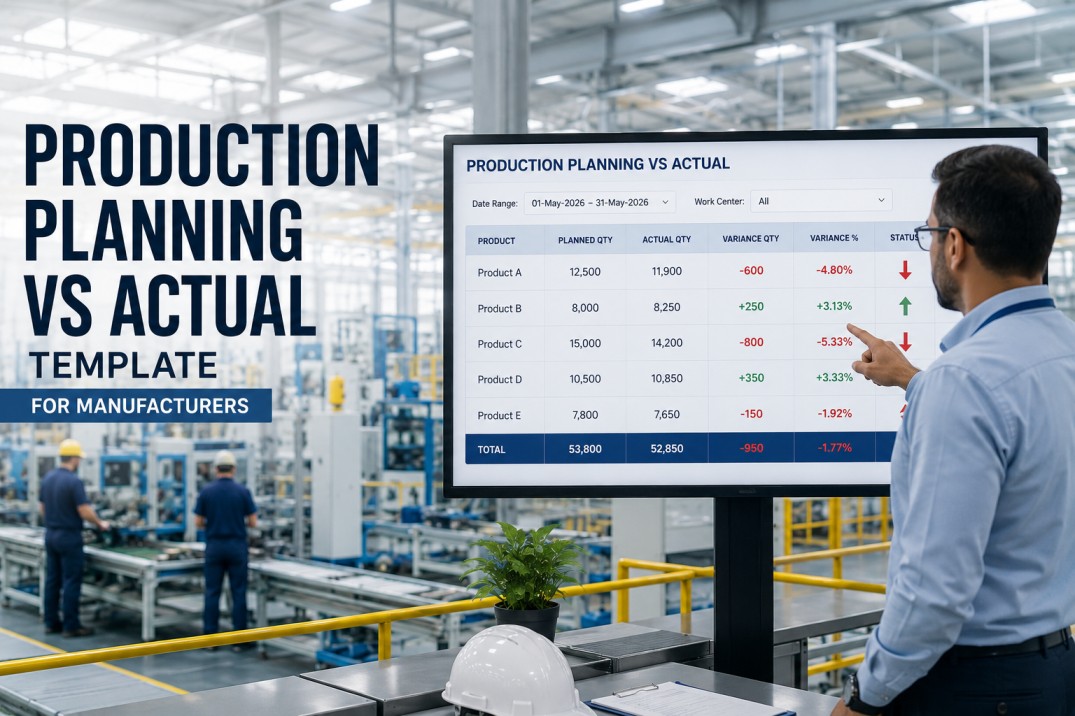
Production Dashboard for Manufacturing Operations
A centralized production dashboard provides a single view of important manufacturing activities.
The documented solution includes visibility into:
- Active jobs
- Completed jobs
- Pending jobs
- Production quantity
- Shift performance
- Machine status
- Operator productivity
- Daily production summary
A centralized dashboard can make it easier for supervisors and management to understand current production conditions and respond to operational issues.
Shift-Wise Production Analysis
Different shifts can produce different levels of output depending on production schedules, workforce allocation, machine availability, and job requirements.
A digital production reporting system can consolidate shift-level information and provide visibility into production output and efficiency.
Shift-wise analysis can help management understand:
- Which shifts completed the highest number of jobs
- Production output by shift
- Operator productivity
- Machine performance
- Job completion rates
- Production efficiency
- Differences between shifts
This information can support workforce planning and production scheduling.
Automated Production Reports
Manual preparation of daily, weekly, and monthly reports can consume valuable administrative time.
The Building Job Reports solution automates the generation of standardized production reports.
The documented reports include:
- Daily Job Report
- Shift Production Report
- Machine Performance Report
- Operator Performance Report
- Production Summary Report
- Historical Job Report
- Production Trend Analysis
Reports can also be exported in Excel, PDF, and CSV formats.
Historical Production Data and Manufacturing Analytics
Historical production data is valuable for understanding trends and identifying opportunities for process improvement.
When production information is stored centrally, organizations can analyze historical job activity and compare performance across different periods.
Historical analysis can help teams examine:
- Production quantities
- Machine utilization
- Shift performance
- Operator performance
- Job completion
- Production trends
- Production timelines
This transforms production reporting from a record-keeping activity into a source of operational information.
How Digital Job Reports Support Production Planning
Production planning depends on accurate information about current and completed manufacturing activities.
Real-time job information can help production teams understand:
- Which jobs are currently running
- Which jobs are completed
- Which jobs are pending
- Which jobs are delayed
This visibility can support more informed production scheduling and resource allocation.
Transform Production Reporting into Real-Time Manufacturing Intelligence
Production reporting should do more than document what happened during a shift. It should help manufacturing teams understand what is happening now, which jobs are progressing, where delays are occurring, how machines and operators are performing, and how production is changing over time.
A digital Building Job Reports solution provides a centralized approach to production job tracking, real-time monitoring, automated reporting, and historical analysis.