
akshay hello niraj
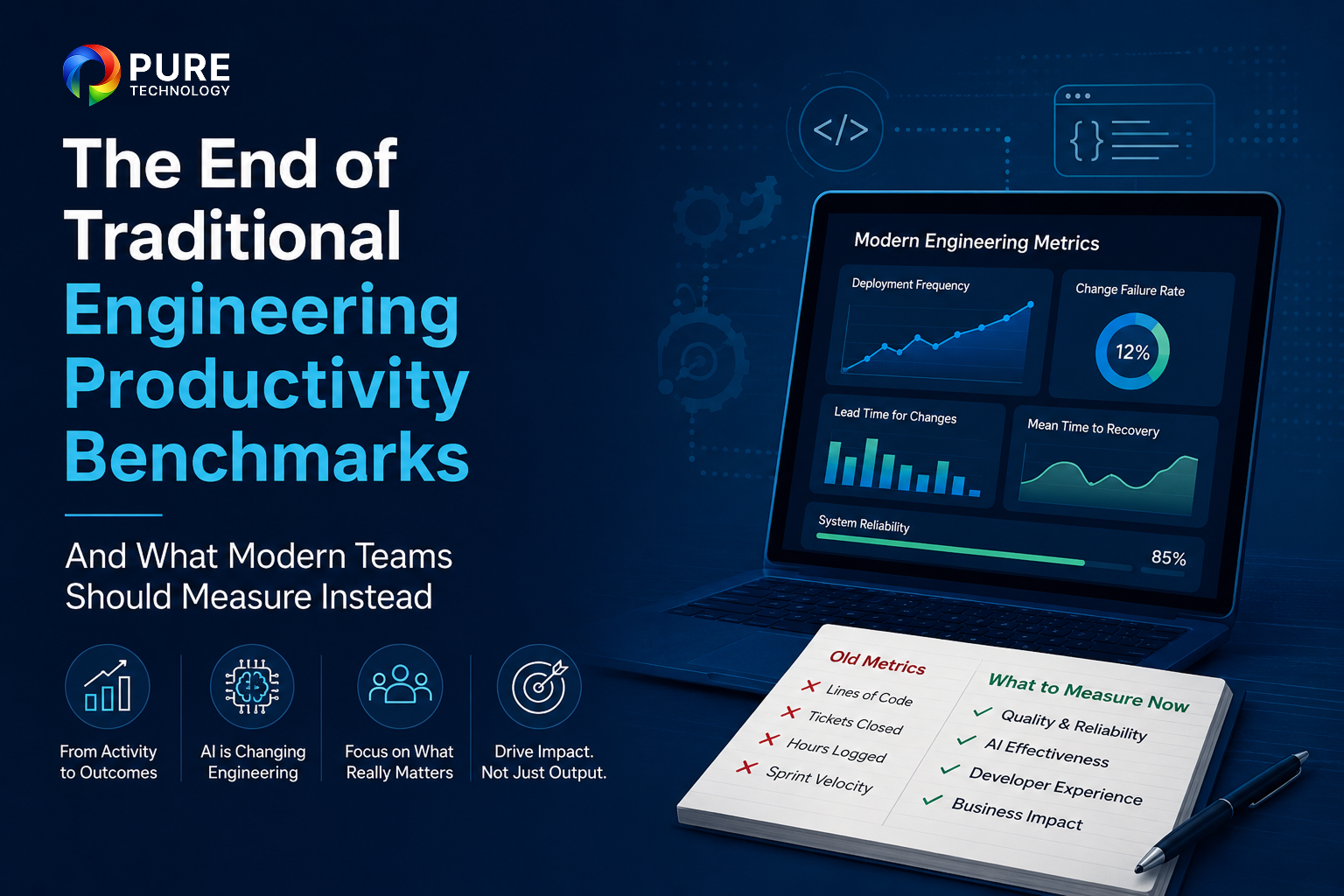
Software engineering is experiencing its most radical shift since the transition from punch cards to compilers. We call it 'Vibe Coding'—a new developer experience where the primary task shifts from writing line-by-line syntax to directing agentic workflows. By leveraging advanced IDEs and agentic coding platforms (like Cursor, Lovable, and Google Antigravity), engineers are acting more like software architects, specifying goals, reviewing generated code, and handling exceptions rather than spending hours chasing semicolons.
In this new paradigm, developer productivity is no longer measured by lines of code, but by the velocity of validation. An engineer can prototype a fully functional dashboard, test it with dummy data, and iterate on user feedback within a single afternoon. The cognitive load of boilerplate setup, routing configurations, and basic styling is absorbed by the AI model, freeing creative space for solving complex business logic, optimizing database structures, and designing seamless user experiences.
However, Vibe Coding is not a replacement for traditional computer science foundations; rather, it amplifies them. The role of the engineer transitions from a 'builder' to an 'editor' and 'orchestrator.' System design, architecture planning, security auditing, and performance profiling are more critical than ever. An AI might write code quickly, but a human engineer must ensure that the generated microservices don't form a fragile monolith or leak sensitive data.
At Pure Technology, we have integrated AI coding assistants into our daily development loops. This integration has resulted in a 40% reduction in time-to-market for our clients' MVP products. By training our teams in prompt design, codebase grounding, and agentic error-resolution, we are setting new benchmarks for high-velocity software engineering.